
 English
 русский
 Français
 Español
 中文简体
中文简体

Plain Polyester Fabric Explained: Weave, Properties, Applications & Buying Guide
2026-08-07
Content
When a sourcing team asks us for a base material for a new backpack line, the sample they request most often is a plain polyester fabric. It is rarely the most eye-catching option in a showroom, yet it keeps winning purchase orders. The reason is simple: a plain-weave polyester fabric offers the most predictable balance of strength, weight, and cost per meter for bags, luggage, and covers. This guide explains what plain polyester fabric is, how it performs, and what to check before you place a bulk order.
What Is Plain Polyester Fabric?
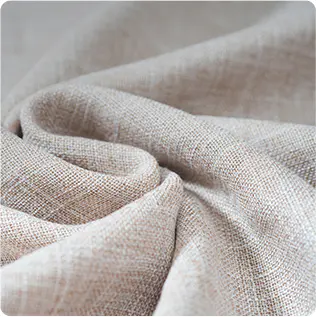
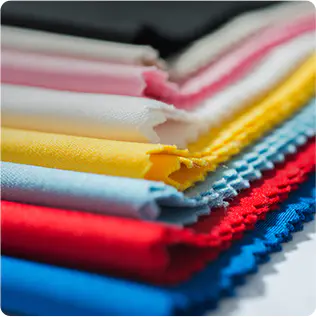
Plain polyester fabric is a woven textile made from polyester yarns, typically drawn-textured yarn (DTY), arranged in the simplest weave structure used in commercial weaving. Each weft thread passes alternately over and under each warp thread, which creates the tight, flat, grid-like surface that most buyers recognize as standard bag or cover material. In technical terms this is called a plain weave, and it is the base construction of most classic oxford fabrics. Among fabric buyers, the word "plain" usually refers to this weave structure, and in practice it also signals an unprinted, single-color base that can be finished in many ways.
The weave structure that sets it apart
The one-over-one interlacing of a plain weave is the tightest basic construction available. Because every warp thread crosses every weft thread, the yarns stay locked in place and resist slipping even under repeated stress. The surface is smoother and less prone to snagging than twill or basket weaves, and the fabric holds its shape during cutting, sewing, and coating. For structured products such as backpacks, trolley cases, and fitted covers, this dimensional stability is the property buyers value most. If you want to see how the construction looks in production, our plain-weave classic oxford fabric is a typical starting point.
Plain weave versus twill
The main alternative to plain weave is twill, which creates diagonal ribs by floating yarns over more than one opposing thread. Twill fabrics often have a softer hand and slightly better tear strength for a given weight, which is why they appear in jackets and workwear. But plain weave is tighter, cheaper to weave, easier to coat, and more resistant to distortion. For bag panels, luggage shells, and covers that need to keep their shape, plain polyester remains the usual default. The oxford fabric guide walks through material types and typical uses if you want more context before comparing constructions.
Key Properties of Plain Polyester Fabric
Performance depends far more on denier and finishing than on the weave alone, but the plain construction creates a dependable baseline. The table below summarizes the properties that matter most in commercial applications.
| Property | Typical performance | Practical impact |
|---|---|---|
| Tensile strength | High, thanks to continuous filament polyester yarns | Seams and stress points hold up under load |
| Abrasion resistance | Good, and it improves with higher denier | Fewer scuffs on bag bases, corners, and handles |
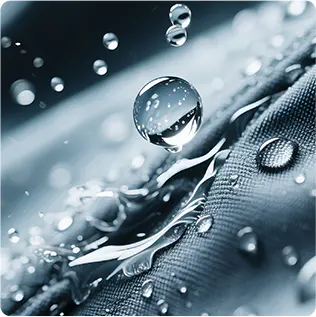
| Moisture behavior | Polyester is hydrophobic and dries quickly | Light rain beads on the surface; lower mildew risk |
| Dimensional stability | Tight weave limits stretch and distortion | Consistent panel shapes during cutting and assembly |
| Stain resistance | Low absorbency | Easy to wipe clean; resists oil and dirt |
| UV resistance | Better than nylon and cotton | Slower fading in outdoor use, with limits |
These properties explain why plain polyester appears in everything from backpacks and stroller canopies to luggage shells and protective covers. Where the baseline is not enough, coatings and functional finishes close the gap.
Weight and Denier: Matching the Fabric to the Job
In a manufacturer's catalogue, the weave may be identical while the yarn thickness changes everything. Yarn thickness is expressed in denier: the weight in grams of 9,000 meters of that yarn. A 600D yarn weighs 600 grams per 9,000 meters, and fabric made from it is correspondingly heavier and tougher than a 300D version.
How to read denier
For plain polyester, finished fabric weight tracks denier closely, but two mills can produce different fabric weights from the same nominal denier by changing the thread count. That is why professional buyers specify both denier and fabric weight in grams per square meter. A typical 600D plain fabric, for example, lands somewhere around 180-220 gsm before coating. The combination of denier and weight gives a more reliable specification than either number alone.
Choosing a starting point
| Denier range | Typical fabric weight | Typical applications |
|---|---|---|
| 150D-300D | 80-150 gsm | Linings, light covers, shoe lining |
| 500D-600D | 170-220 gsm | Backpacks, strollers, tote bags |
| 900D-1200D | 220-300 gsm | Luggage shells, work bags, heavy covers |
| 1800D-3000D | 300 gsm and above | Industrial bags, heavy-duty protective covers |
600D is the specification most bag and luggage buyers start with, and it is a good stress test for the rest of the material choice. If the product is a light shopping bag, 300D may be enough; if it is a check-in suitcase, 1200D will feel more robust. Our 600D plain polyester fabric page shows the specification in practice, and the 600D vs 1200D comparison explains the trade-off in more detail.
Where Plain Polyester Fabric Is Used
Because plain polyester is inexpensive to weave, easy to coat, and predictable in behavior, it shows up across many product categories. The list below covers the most common end uses we see in daily orders.
- Bags and backpacks: main panels, pocketing, and linings
- Luggage: outer shells with coating, internal dividers, and compression panels
- Covers: dust covers, car covers, and furniture covers
- Outdoor gear: tents, awnings, beach chairs, and sun shades
- Kids products: stroller canopies, diaper bags, and lightweight backpacks
- Footwear: shoe lining, heel counters, and trim reinforcement
In almost every case, the buyer chooses plain polyester not because it is luxurious, but because it is dependable at scale. Our plain polyester bag fabric range shows how the same base weave is adapted for different bag types and quality levels.
Coatings and Finishes That Change the Performance
Uncoated plain polyester is acceptable for light interior use, but most commercial orders specify a coating. The coating adds waterproofing, stiffness, and protection against abrasion, and in many cases it is what turns a basic fabric into a product that can survive years of daily handling.
The main coating routes
- PU coating: soft hand feel and water repellency; the default for bags and strollers
- PVC coating: heavier and more rigid; used for truck tarps and industrial covers
- PA coating: lightweight with a matte finish; chosen when weight is a constraint
- TPU and TPE coating: strong waterproof barriers that can be heat-welded or laminated
Each coating behaves differently on the same plain base, and the choice affects price, cold resistance, and end-product durability. Our coating selection guide compares PU, PVC, and TPU in practical terms for buyers comparing options.
How to Evaluate a Plain Polyester Fabric Supplier
Price per meter is easy to compare; consistency is not. For a factory that will turn your fabric into sellable goods, small variations between batches can create costly problems. Before committing to a supplier, check at least the following points.
- Weight tolerance: fabric weight should stay within plus or minus 5% of the stated gsm across batches
- Shade consistency: plain surfaces make even slight color differences obvious between rolls
- Coating adhesion: the finish should not flake, crack, or peel after flexing
- Strength at the seam: tear strength matters more than tensile strength for sewn products
- Recycled content and certifications: if your brand requires GRS, OBP, or OCI proof, confirm it before sampling
Production capacity is also a signal. A supplier with in-house looms and finishing lines can control lead times and quality far better than a trader. Our own mill, for example, operates roughly 300 machines including 200 water-jet looms and produces about 160,000 meters of fabric per day. That scale is what allows us to treat repeat orders as routine rather than as exceptions.
Plain polyester fabric will never be the most glamorous material in a textile mill, but it remains the most reliable answer to a common question: what fabric should I use for a product that needs to be strong, affordable, and consistent. Understand the weave, choose the right denier, specify the right coating, and you have a material that performs exactly as your design intends.



地址:
中国浙江省杭州市萧山区南阳街道岩峰村
Add:
Yanfeng Village, Nanyang Street, Xiaoshan District, Hangzhou,Zhejiang Province, China.


Copyright © Hangzhou Xiaoshan Wenfa Textile Co., Ltd.
All Rights Reserved.
 Polyester Fabric Manufacturers
Oxford Fabric Manufacturers
Polyester Fabric Manufacturers
Oxford Fabric Manufacturers