
 English
 русский
 Français
 Español
 中文简体
中文简体

420D vs 600D Oxford Fabric: Comparing Weight, Strength and Real-World Uses
2026-08-27
Content
Two quotes for the same backpack program can differ by more than price. One factory quotes the body panels in 420D oxford, another in 600D, and the two finished bags feel like they belong to different product tiers. That single letter, D, moves fabric weight, stiffness, abrasion life and freight cost all at the same time.
The short answer comes first: 420D is not better than 600D, and 600D is not better than 420D. 420D uses a finer yarn, which produces lighter, softer, more flexible cloth that sews cleanly and packs down small. 600D uses a thicker yarn, which produces heavier, denser, tougher cloth that resists abrasion and holds its shape. The right choice depends on what your product will rub against, carry and survive, not on which number is larger.
This guide breaks the decision into the parts that actually move the needle: what denier really measures, how the two specs compare in practice, where coatings change the outcome, and how to verify a quote before committing to bulk production.
What the Denier Number Actually Measures
Denier is a yarn measurement, not a fabric grade. It is the weight in grams of 9,000 meters of filament: a 420D yarn weighs 420 grams per 9,000 meters, and a 600D yarn weighs 600 grams. For the same fiber type, 600D filament is roughly 40 percent heavier and thicker than 420D filament. Thicker yarn also means fewer filaments fit into each inch of the weave, so 600D oxford carries a coarser, more visible texture, while 420D reads finer and smoother to both the eye and the hand.
Two caveats keep buyers out of trouble here. First, denier describes the yarn alone; finished weight in GSM, weave density, and coating type and weight determine most of what you measure in the final cloth. Second, compare like with like: nylon is inherently stronger than polyester at the same denier, so a 420D nylon can outperform a 600D polyester in tensile strength. Most "420D vs 600D" debates assume both fabrics are polyester oxford, which is the standard case for bags, luggage and covers, but the fiber type should still be confirmed in writing before one quote is weighed against another.
420D vs 600D: Side-by-Side Comparison
When both fabrics are polyester oxford built with comparable weave density and coating, the differences line up as follows.
| Property | 420D Polyester Oxford | 600D Polyester Oxford |
|---|---|---|
| Filament weight per 9,000 m | 420 g | 600 g |
| Typical finished weight (PU coated) | 150-210 gsm | 230-300 gsm |
| Hand feel | Soft, pliable, drapes easily | Firmer, more structured |
| Tensile and tear strength | Adequate for light loads | Clearly higher |
| Abrasion resistance | Moderate | High |
| Packability | Folds small without stress | Good, but stiffer folds |
| Print surface | Smoother for fine detail | Coarser, more textured |
| Typical applications | Daypacks, linings, totes, light covers | Backpack bases, luggage, tool bags, strollers |
| Relative fabric cost | Lower | Higher |
The pattern is consistent: every step up in denier trades weight, softness and fine print quality for strength and structure. Neither column is the premium option. They simply serve different products.
Where 420D Is the Smarter Choice
420D belongs on programs where weight, flexibility and surface quality outrank raw durability:
- Lightweight daypacks and fashion bags, where the structure carries the load and the fabric carries the look
- Body panels, top lids, pockets and linings on bags that use a heavier denier only on high-wear zones
- Promotional totes and event merchandise, where the finer weave gives printed logos a smoother, sharper surface
- Packable pouches, shoe bags and dust covers that must fold small without cracking the coating
- Children's products, where a lighter, softer hand feel is part of the specification
Freight strengthens the case. Fabric weight flows directly into shipped weight, so a program moving tens of thousands of units in 420D instead of 600D saves a measurable amount per unit in logistics, often enough to fund a heavier, better-performing coating on the same base cloth.
Where 600D Proves Its Worth
600D is the workhorse spec for products that take daily mechanical abuse:
- Backpack base panels, school bags and commuter packs that get set down and dragged across floors
- Soft-sided luggage and duffels that slide across airport belts and carousels
- Tool bags, work aprons and equipment cases
- Stroller seats, pet carriers and outdoor chair fabric
- Equipment covers and machine shrouds exposed to weather and repeated handling
Beyond this range, such as wheeled luggage bottoms, industrial covers or tactical-style packs, buyers normally step up to 900D or 1200D rather than stretching 600D past its comfort zone. The logic is identical to this comparison, just amplified; our 600D vs 1200D oxford fabric comparison walks through that heavier tier in detail.
If you are sourcing at this tier, the 600D program details below are worth reviewing:
600D polyester oxford fabric specification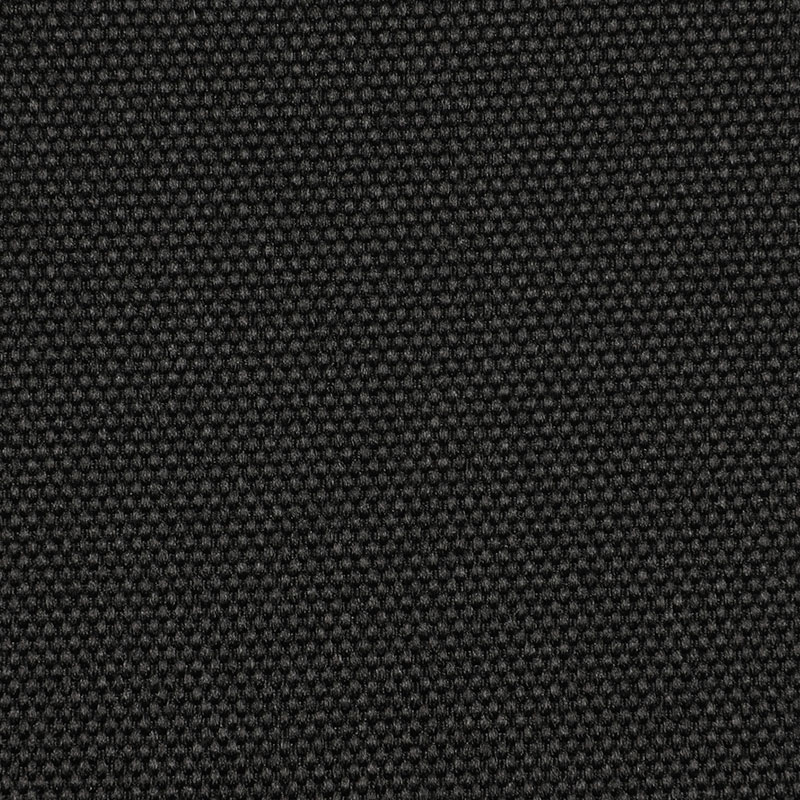 DTY 600D Polyester Oxford FabricA high-density 600 denier polyester with strong abrasion and tear resistance, suited to heavy-duty backpacks and protective gear. It bridges mid-range weight gaps where 420D feels too light and heavier oxfords feel excessive.View Product →
One note on the gap between the two specs: 500D polyester oxford sits neatly in between and resolves many "too light versus too heavy" arguments, especially for mid-range bags and general-purpose covers.
Coating Changes the Equation
Denier is only half of the performance story; the coating is the other half. PU, PVC, TPU and film coatings each alter finished weight, water resistance, flex life and hand feel, sometimes more dramatically than the denier difference itself. Three points are worth internalizing:
- Water resistance is mostly a coating decision. A PU-coated 420D sheds rain better than a lightly coated 600D. What the heavier denier contributes is a stronger base that holds the coating in place under load.
- Abrasion life still favors 600D. With comparable coating systems, the thicker yarn absorbs more of the wear before the coating breaches and the fibers show.
- Flex and cold performance follow the coating chemistry. A soft TPU film on 420D can outlast a rigid PVC layer on 600D in cold-weather flexing, which is why foldable gear often pairs lighter deniers with softer coatings.
Because coating choice moves cost and performance together, it makes sense to review the coating system in the same conversation as denier; the PU-coated fabric range below is the usual starting point for bag and luggage programs:
PU-coated oxford fabric options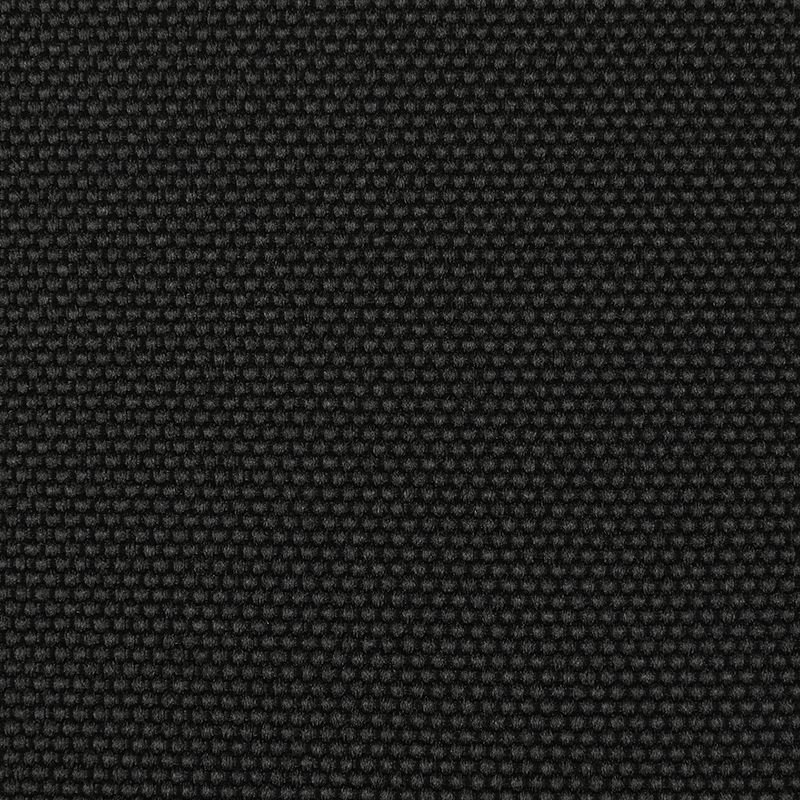 PU Coated Polyester FabricPU coating adds reliable water resistance and wear durability while keeping a soft hand-feel, a standard choice for bags and outdoor gear. Reviewing coating systems alongside denier helps align cost and performance.View Product →
A workable rule of thumb used across the industry: choose the denier for structure and abrasion, choose the coating for water, flex and surface properties, then adjust coating weight to close whatever gap remains.
A Selection Framework Buyers Can Actually Use
Match the denier to the wear surface
Mixed construction is the industry norm for a reason. A typical backpack combines 600D on the base and high-wear panels with 420D on the body, lid and pockets: strong where it scrapes, light where it does not. Specify denier panel by panel rather than per product, and the 420D vs 600D argument usually dissolves into a sensible material map. This approach is how most bag programs are organized; the application range below shows the structure:
bag fabric application range 100% Polyester Bag Fabric RangeA curated collection of durable and eco-polyester fabrics for bag construction, supporting panel-by-panel denier selection. Useful for mixing 600D on wear panels with lighter deniers on body and pocket areas.View Product →
Ask for numbers, not adjectives
A supplier confident in its cloth will provide, per reference: finished weight in GSM, coating type and coating weight, tensile strength (ISO 13934-1), tear strength (ISO 13937-2), abrasion resistance such as Martindale cycles, and hydrostatic head (ISO 811) for any waterproof claim. If the answer to "how strong is it?" is "very strong" instead of test data, keep shopping.
Sample in the real product
Run each candidate fabric through a sewn prototype. Load it, drag it over concrete, flex the seams, wash it if the product will ever be washed, and check print quality on the actual weave. Denier predicts behavior; the prototype proves it.
Before comparing quotes, a short checklist keeps the conversation on comparable facts:
- Confirm the fiber type, polyester or nylon, in writing, because equal deniers do not mean equal strength across fibers.
- Request GSM and coating weight so you compare finished fabric rather than yarn labels.
- Map which panels of your product each fabric will cover, and price the mixed construction.
- Test coatings against the real climate of use, including cold flex where the product will travel or be stored outdoors.
- Calculate the freight line: denier multiplied by yardage multiplied by units is a cost item, not a footnote.
The 420D vs 600D decision comes down to one question: what will your product rub against, and how often? Light, flexible, print-forward products belong in 420D. Structural, high-wear products belong in 600D. Most real programs use both.
Treat denier as the start of the conversation, not the end of it. Weave density, coating system and verifiable test data decide how the fabric behaves in your product, and a supplier working across the full ladder from 300D and 500D through 600D, 900D and 1200D will usually find a more precise fit than any two-option comparison suggests. As an oxford fabric manufacturer covering that full specification range, we give every buyer the same advice: sample both candidates, build the product, and let the fabric that survives the prototype, not the bigger number, make the decision.



地址:
中国浙江省杭州市萧山区南阳街道岩峰村
Add:
Yanfeng Village, Nanyang Street, Xiaoshan District, Hangzhou,Zhejiang Province, China.


Copyright © Hangzhou Xiaoshan Wenfa Textile Co., Ltd.
All Rights Reserved.
 Polyester Fabric Manufacturers
Oxford Fabric Manufacturers
Polyester Fabric Manufacturers
Oxford Fabric Manufacturers