
 English
 русский
 Français
 Español
 中文简体
中文简体

Solution Dyed Polyester Explained: Why It Outlasts the Traditional Dyeing Processes
2026-08-21
Content
When a fabric buyer receives a batch of navy polyester tote fabric, the first check is usually shade consistency. The second, often six months later, is whether the color survived sunlight, washing, and abrasion. In many cases, the disappointment is not the fiber or the loom—it is the dyeing route. Solution dyed polyester changes the story by adding color before the fiber is formed, and the result is a fabric that holds color far longer than conventionally dyed material.
What Is Solution Dyed Polyester?
Solution dyeing places pigment into the polymer melt before the polyester is extruded into filaments. The color becomes part of the polymer itself, rather than being applied later to the fiber, yarn, or finished fabric. Traditional methods, by contrast, usually involve stock dyeing, where loose fibers are dyed before spinning, or piece dyeing, where the woven or knitted fabric is immersed in a dye bath.
Because the pigment is locked inside each filament, solution dyed polyester behaves differently across the entire product lifecycle. It resists fading, stays uniform between batches, and does not require the water-heavy processes used in conventional textile dyeing.
| Factor | Solution Dyed Polyester | Traditionally Dyed Polyester |
|---|---|---|
| When color is added | Before fiber extrusion | After fiber or fabric formation |
| Water use | Minimal | High |
| Energy for drying | Not required | Required |
| UV fading resistance | Excellent | Moderate to low |
| Batch consistency | High | Lower, dependent on dye lots |
| Color flexibility | Limited by masterbatch | Wide range |
Why Color Retention and UV Resistance Are Better
Color fading in outdoor polyester fabric usually comes from ultraviolet radiation breaking down dye molecules near the fiber surface. In solution dyed polyester, the pigment is distributed throughout the fiber cross-section, so even if the surface wears gradually, the remaining pigment continues to carry the same color. That is why solution dyed material is the default choice for umbrellas, outdoor furniture, luggage, and marine textiles.
Abrasion resistance also improves. When a backpack is rubbed against a concrete floor, the color in traditionally dyed fabric can be removed along with the fiber surface. With solution dyed polyester, the color extends deeper into the filament, so visible wear does not produce white marks as quickly. This is the main reason buyers specify solution dyed fabric for products that face repetitive motion and direct sunlight.
For even higher protection against sun exposure, solution dyed yarns can be combined with an anti-UV polyester fabric finish that blocks a larger portion of harmful radiation. The two mechanisms work on different levels: the pigment handles lasting color, and the finish handles the textile surface.
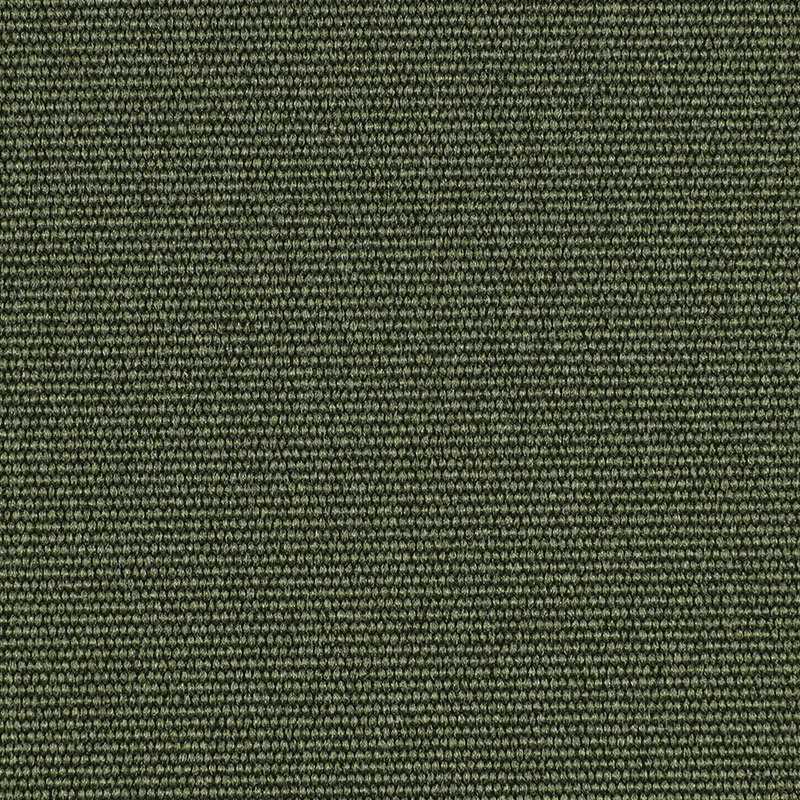 Anti-Uv Fabric Manufacturers, Anti-Uv Polyester Fabric FactoryAs China Anti-Uv Polyester Fabric Manufacturers and OEM/ODM Anti-Uv Fabric Factory, Hangzhou Xiaoshan Wenfa Textile Co., Ltd offer Custom...View Product →
The Environmental Advantage: Less Water, Less Energy
Traditional polyester dyeing consumes large volumes of water for preparing dye solutions, heating dye baths, rinsing, and washing down machinery. Solution dyeing eliminates most of these steps because the color is added while the polymer is still molten. There is no wet textile to dry, no excess dye to rinse off, and no liquid dye discharge from the fabric mill.
This makes a measurable difference in environmental impact. A mill that uses solution dyed yarn can avoid thousands of liters of wastewater for a single production order, and the energy saved by skipping dye baths and dryers adds up quickly. For brands under pressure to reduce scope 3 emissions, changing from piece-dyed to solution-dyed polyester is one of the simplest material-level adjustments available.
Solution dyeing also lines up well with recycled material programs. When a buyer needs both sustainable feedstock and lasting color, the combination of solution dyed yarn and recycled content is practical, provided the recycled polymer is processed under controlled conditions. In many cases, manufacturers are now offering recycled polyester fabric in solution-dyed versions to meet both durability and sustainability targets.
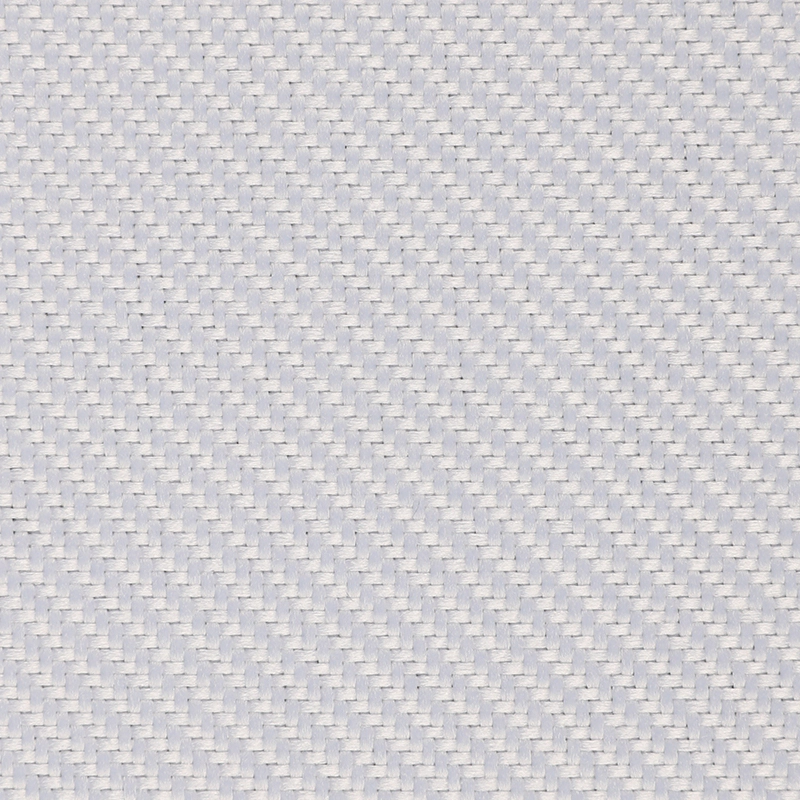 200D 300D 500D 1200D Recycled Polyester Fabric WholesaleAs OEM/ODM Recycled Polyester Fabric Manufacturers and Recycled Polyester Fabric Factory in China, Wenfa Textile offer 200D 300D 500D 120...View Product →
How to Evaluate Solution Dyed Polyester When Sourcing
Switching to solution dyed polyester is not simply a matter of picking a color code. The purchasing team should review several technical points with the supplier before confirming a production order.
- Define the target shade using a standard system such as Pantone or the supplier’s masterbatch reference, and ask for the expected Delta E tolerance around that standard.
- Request lightfastness test data. A typical standard is ISO 105-B02, and the rating should be appropriate for the product’s expected exposure to sunlight.
- Confirm the denier and weave structure. Solution dyed polyester is available in a wide range of specifications, but not every spec is stocked in every color.
- Check coating compatibility. Many polyester fabrics are later coated with PU, PVC, or a waterproof membrane. The coating can alter the perceived color, so a trial sample is essential.
- Ask for a small pilot run to verify shade consistency across rolls and to check that the final fabric passes the customer’s own abrasion and color tests.
For high-use products such as luggage, furniture covers, and outdoor tents, coating and color are tightly connected. A waterproof polyester fabric that has been solution dyed before coating is more reliable over time because the color remains stable even when the coating is applied and cured at high temperature.
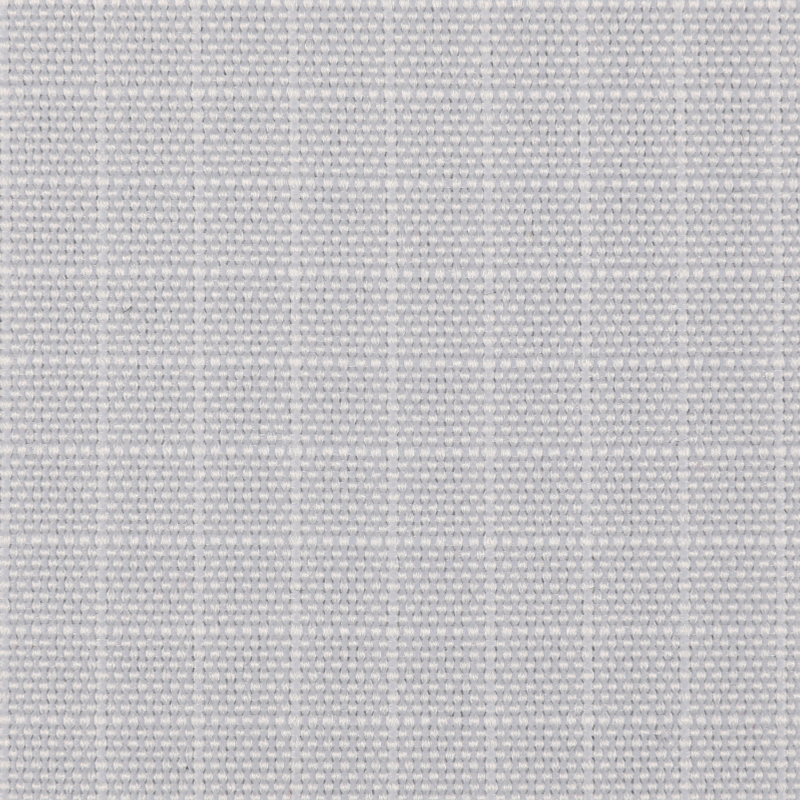 Polyester 300D/600D/900D Waterproof Outdoor Fabric FactoryWenfa Textile offer Custom Outdoor Polyester Waterproof Fabric, 600D Waterproof Outdoor Fabric Factory and 900D Waterproof Outdoor Fabric...View Product →
Where Solution Dyed Polyester Makes the Most Difference
Any polyester product exposed to sunlight, friction, chlorine, or repeated cleaning deserves a serious look at solution dyeing. Bags and luggage are obvious candidates because they are carried outside, dragged across floors, and washed on a regular basis. Outdoor fabric for beach chairs, awnings, and garden furniture is another strong application, since these products sit in direct sunlight for months.
Children’s products, such as strollers and backpacks, benefit from the same color stability even though they are not always used outdoors. Covers and tarps also need color that survives storage and weather fluctuations. When a manufacturer asks why oxford fabric works so well in outdoor gear and luggage, the answer usually combines a tight weave, strong yarn, and a color system that can handle exposure. Solution dyed yarn is the foundation that makes those finishes perform better in the field.
Buyers should also think about long-term supply. Because solution dyed polyester starts from masterbatch and a controlled polymer stream, the risk of color drift between production runs is lower than with conventional dyeing. That stability matters for brands that repeat the same color season after season and do not want to renegotiate the shade every quarter.
From a sourcing standpoint, solution dyed polyester offers one of the rare opportunities to improve performance and lower environmental burden without changing the hand feel or construction of the fabric. It is not the right choice for every single product, particularly ones that require extremely small color batches or frequent color changes, but for outdoor gear, luggage, covers, and products built to last, the evidence is clear: color that is inside the fiber performs better than color that is only on the surface.
As a polyester oxford fabric manufacturer built around functional and eco-friendly materials, we see solution dyeing as a central part of the next generation of durable fabric. The combination of internal color, UV resistance, and lower water use fits directly into the demands that bag and luggage buyers bring to the table.



地址:
中国浙江省杭州市萧山区南阳街道岩峰村
Add:
Yanfeng Village, Nanyang Street, Xiaoshan District, Hangzhou,Zhejiang Province, China.


Copyright © Hangzhou Xiaoshan Wenfa Textile Co., Ltd.
All Rights Reserved.
 Polyester Fabric Manufacturers
Oxford Fabric Manufacturers
Polyester Fabric Manufacturers
Oxford Fabric Manufacturers