
 English
 русский
 Français
 Español
 中文简体
中文简体

Eco-Friendly Polyester Fabric: A Complete Sourcing Guide for Bags & Luggage
2026-08-14
Content
A luggage manufacturer recently asked us how to prove that a fabric is genuinely recycled rather than just marketed as “green.” The direct answer is to start with the raw material and the certification. A truly eco-friendly polyester fabric is usually made from recycled PET bottles or pre-consumer waste, processed into new yarn, and backed by an audited standard such as GRS, OBP, or OCI. In this guide, we explain what those terms mean, how recycled polyester behaves in real production, and what to check before you place an order.
What Makes Polyester Fabric Eco-Friendly?
Polyester is a synthetic fibre made from PET resin, the same polymer family used in disposable bottles. Eco-friendly polyester replaces virgin resin with recycled feedstock that would otherwise end up in landfill or the ocean. The result is a fabric with almost identical physical properties but a lower environmental impact across the supply chain.
Most eco-friendly polyester is recycled polyester, often called rPET. The process starts with collected PET bottles, which are cleaned, shredded, melted, and extruded into new filaments. Some manufacturers also use post-industrial waste from other textile processes. Compared with virgin polyester, recycled polyester production typically uses far less energy; some industry estimates put the saving at around 59%, with a corresponding reduction in CO2 emissions.
For brands that want a direct replacement for virgin polyester, our recycled polyester fabric maintains the same tensile strength while cutting the dependence on new petroleum-based resin. The key difference is traceability: you need to know where the recycled input came from, how it was processed, and which environmental management system supports the claim.
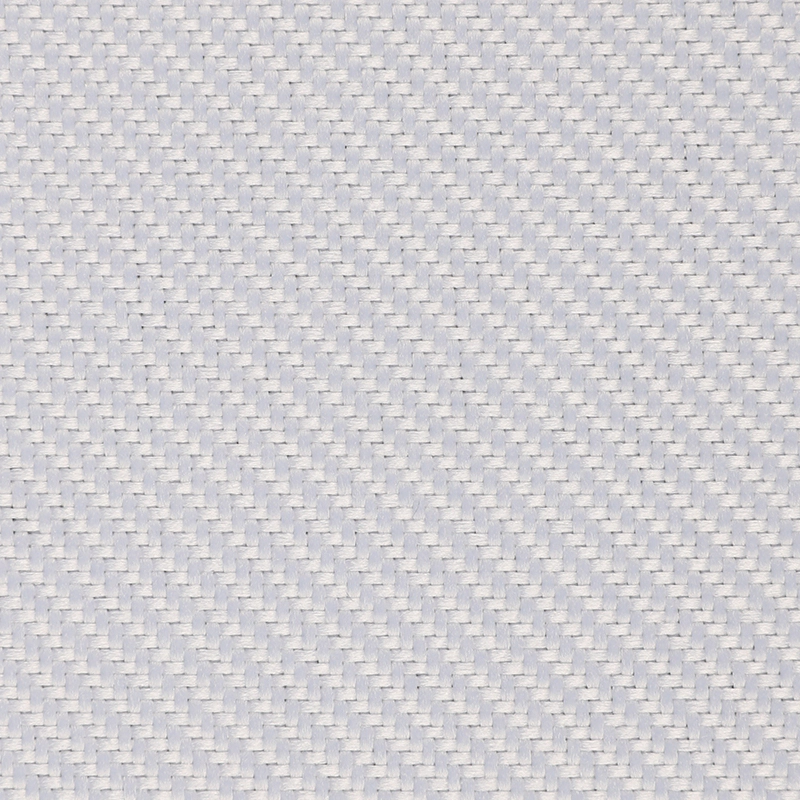 200D 300D 500D 1200D Recycled Polyester Fabric WholesaleAs OEM/ODM Recycled Polyester Fabric Manufacturers and Recycled Polyester Fabric Factory in China, Wenfa Textile offer 200D 300D 500D 120...View Product →
Certifications That Matter: GRS, OBP, and OCI
Certifications are the practical tool for verifying recycled content. They provide a chain of custody from the waste collection point to the finished fabric roll. Three standards appear most often with our buyers.
| Certification | Focus | What the buyer receives |
|---|---|---|
| GRS | Recycled content plus social and environmental practices | Audited documentation of recycled material percentage |
| OBP | Ocean-bound plastic | Evidence that waste was collected near waterways or coastlines |
| OCI | Ocean impact plastic | Traceability for plastic that could otherwise reach the ocean |
If your end customer requires verifiable evidence, a GRS-certificated fabric is often the safest choice because GRS is the most widely recognized certification in textile supply chains. OBP and OCI are more specific to ocean-bound waste, which adds a strong sustainability story for consumer-facing brands but may require additional collection controls. Always ask for the current certificate and compare the scope details: the document should name the fabric mill, the recycling facility, and the exact product line it covers.
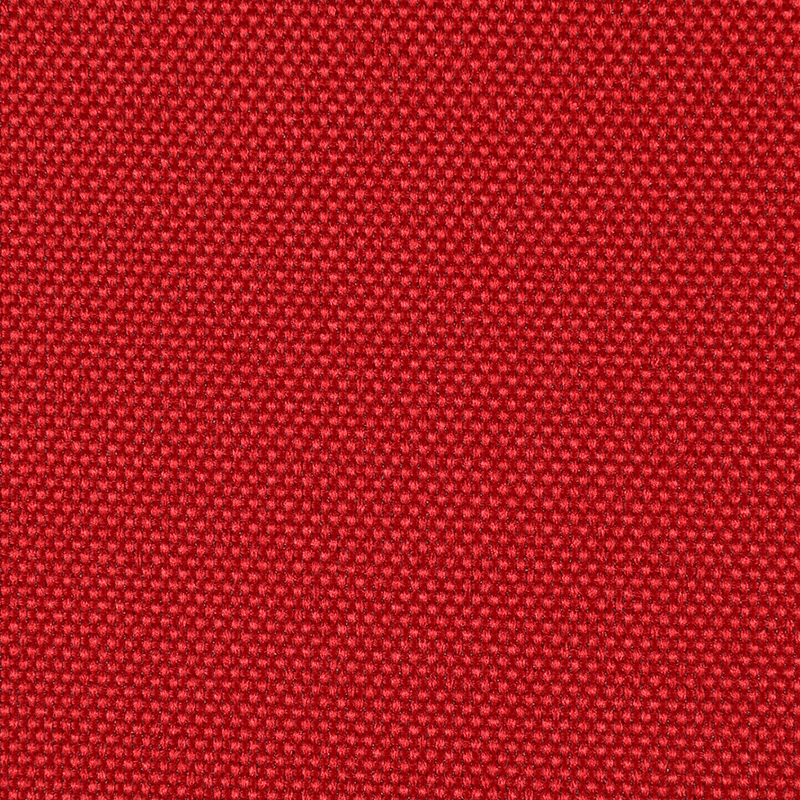 GRS Certificate Fabric Manufacturers, Global Recycled Standard Fabric FactoryAs GRS Certificate Fabric Manufacturers and Global Recycled Standard Fabric Factory in China, Wenfa Textile offer Custom GRS Certificate ...View Product →
Performance: Does Recycled Polyester Behave Differently?
In our daily weaving operations, recycled polyester made from high-quality bottle flakes is nearly indistinguishable from virgin polyester in terms of breaking strength, abrasion resistance, and dimensional stability. The main source of variation is dye take-up and batch consistency. A low-quality recycled feedstock can produce uneven yarn, which becomes visible as shade differences in dark colors.
For bags and luggage, the practical question is not whether recycled polyester is “as good” as virgin, but whether the supplier controls the recycled input consistently. We use DTY polyester yarns from 150D to 3000D, and the same specification matrix applies to recycled versions. The table below shows common deniers and their typical end uses.
| Denier | Typical use | Why it works |
|---|---|---|
| 150D-300D | Linings, light backpacks, kids' stroller fabric | Low weight keeps the final product soft and flexible |
| 500D-600D | Daily backpacks, tote bags, trolley cases | Good balance of thickness and abrasion resistance |
| 900D-1200D | Luggage shells, tool bags, heavy-duty covers | Higher tear strength and better protection against scuffs |
| 1800D-3000D | Industrial containers, extreme-duty luggage | Maximum stiffness and long-term wear resistance |
If your product requires water resistance, recycled polyester can be coated with PU, PVC, TPU, or film laminate exactly like virgin fabric. You should still test the final product because a coating adds weight and changes the hand feel. The same functional finishes, including anti-UV, flame retardant, and antimicrobial treatments, are available on recycled substrates.
Best Applications for Eco-Friendly Polyester Fabric
Recycled polyester is used across nearly every category where conventional polyester appears. In our product range, the most common applications are travel luggage, backpacks, strollers, and protective covers. For a complete overview of what is available, the eco-friendly polyester fabric collection includes recycled, GRS, OBP, and OCI materials in classic oxford, twill, jacquard, and coated finishes.
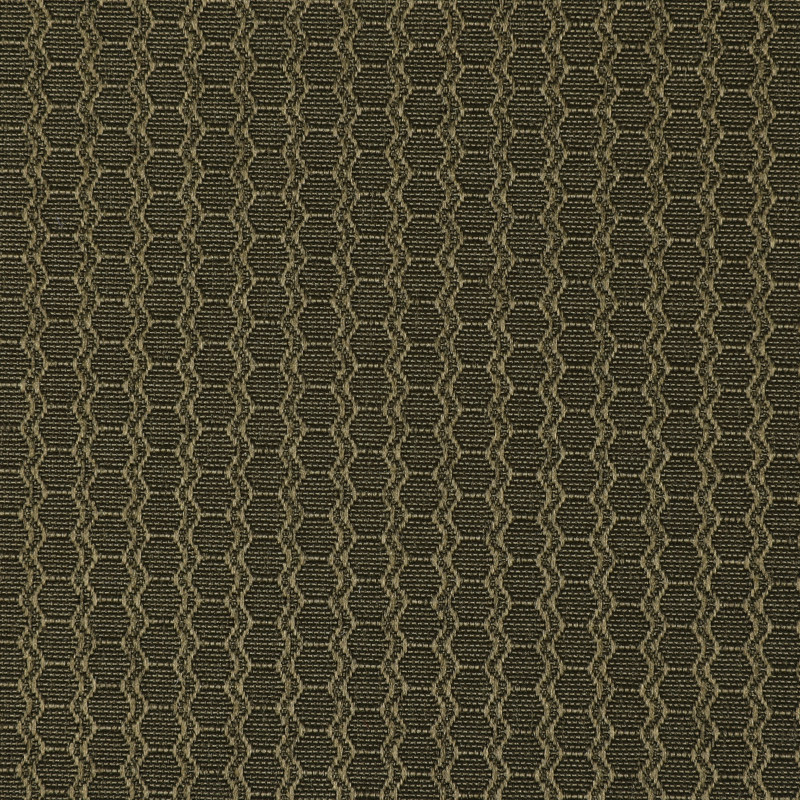 Eco-Friendly Polyester Fabric Suppliers, CompanyAs Eco-Friendly Polyester Fabric Suppliers and Eco-Friendly Polyester Fabric Company in China, Hangzhou Xiaoshan Wenfa Textile Co., Ltd. ...View Product →
Luggage brands especially value rPET because a suitcase made from recycled bottles gives manufacturers a concrete sustainability story without sacrificing the stiffness needed for a structured shell. Outdoor gear makers use recycled polyester for tents and beach chairs because of its UV resistance and quick-drying properties. Kids' products benefit from the same traceability and low chemical risk when using certified recycled inputs.
Microplastics are a frequent question for any polyester fabric. Because bags, luggage, and outdoor equipment are washed far less often than clothing, the amount of fibre shed over the product's lifetime is significantly lower. This is one reason why recycled polyester is such a practical choice for hard-wearing travel goods: it delivers performance where it matters most while addressing the biggest criticism of polyester textiles.
How to Source Eco-Friendly Polyester Fabric Without Getting Confused
When we see sourcing failures, they usually come from vague claims rather than wrong materials. A supplier may say “recycled” without naming a standard, or show a product that is only partially recycled but present it as fully sustainable. To avoid that, use a short checklist before placing an order.
- Ask for the exact percentage of recycled content and the type of feedstock, such as post-consumer PET bottles versus post-industrial waste.
- Request the current certificate for GRS, OBP, or OCI, and confirm that the fabric manufacturing site is listed on the certificate.
- Define physical specifications in writing: denier, fabric weight, weave type, coating, and shrinkage target.
- Order a strike-off in the final colorway before bulk production, and compare it with the production standard.
- Run the same test protocols you would use for virgin polyester, including abrasion, tensile strength, and hydrolysis resistance.
Test the fabric like you would test virgin polyester
Before committing to a large order, run the same quality checks you use for virgin material. A one-yard sample is enough for a basic visual check, but not for measuring tear strength or coating adhesion. Ask for a larger cutting, or order a short roll for approval. In general, recycled polyester should meet the same breaking strength, abrasion, and shrinkage requirements as virgin polyester. The faster you identify a supplier whose recycled fabric passes these tests, the easier the bulk order will be.
For a deeper look at the verification steps and typical pitfalls, our guide on eco-friendly polyester fabric buying walks through the documentation process and the questions we recommend asking suppliers.
The bottom line is that eco-friendly polyester fabric is a practical, high-performance choice when it is made from verified recycled feedstock and backed by a recognized certification. You should expect the same strength, durability, and finish options as virgin polyester, but with a lower environmental footprint. Start by choosing a certification that matches your market story, then confirm the physical specifications with samples. That process will help you source recycled polyester with confidence.



地址:
中国浙江省杭州市萧山区南阳街道岩峰村
Add:
Yanfeng Village, Nanyang Street, Xiaoshan District, Hangzhou,Zhejiang Province, China.


Copyright © Hangzhou Xiaoshan Wenfa Textile Co., Ltd.
All Rights Reserved.
 Polyester Fabric Manufacturers
Oxford Fabric Manufacturers
Polyester Fabric Manufacturers
Oxford Fabric Manufacturers